

Mastering Forex Trading: Best Practices for Success
Forex trading is an exciting venture that captures the interest of many individuals looking to invest and grow their wealth. To embark on this journey successfully, it is crucial to understand the essential practices of forex trading. By adopting effective strategies and demonstrating disciplined trading behavior, you can enhance your chances of success in the forex market. This article outlines various practices that beginner and experienced traders alike can implement in their trading routines. For those eager to dive in, consider exploring forex trading practice Qatar Brokers for reliable trading platforms and resources.
Understanding the Forex Market
The foreign exchange market, or forex market, is the largest financial market in the world. Unlike stock markets, it operates 24 hours a day, five days a week, enabling traders to make transactions and speculate on currency price movements at any time. The market is decentralized, which means there is no central exchange. Instead, transactions occur between parties over-the-counter (OTC). Understanding how the market operates, including key market participants and currency pairs, is fundamental to successful trading.
Developing a Trading Plan
A well-structured trading plan is a cornerstone of successful forex trading. It serves as a roadmap that outlines your trading goals, strategies, risk tolerance, and evaluation methods. When creating a trading plan, consider the following components:
- Define Your Goals: Clearly state what you want to achieve through trading.
- Select a Trading Style: Choose between day trading, swing trading, or position trading based on your availability and risk appetite.
- Risk Management: Establish how much capital you are willing to risk per trade.
- Trade Execution Strategy: Decide how you will enter and exit positions, including specific triggers and indicators.
Consistency is key, so make sure to adhere to your trading plan as closely as possible.
Implementing Risk Management
Risk management is one of the most critical aspects of forex trading. Without it, even the most skilled traders can face devastating losses. Key risk management techniques include:
- Setting Stop-Loss Orders: Use stop-loss orders to automatically close a position at a predetermined price level, limiting potential losses.
- Managing Position Sizes: Determine the appropriate position size based on your account balance and risk percentage per trade.
- Diversifying Your Portfolio: Avoid putting all your capital into a single currency pair; diversify by investing in multiple pairs.
By implementing robust risk management strategies, you can protect your capital and allow for sustainable trading over the long term.
Practicing with a Demo Account
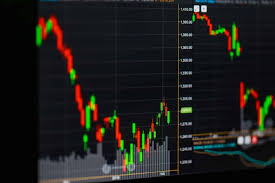
Before diving into live trading, it is advisable to practice using a demo account. Many brokers offer demo accounts that simulate real trading conditions without risking actual capital. Benefits of using a demo account include:
- Familiarizing Yourself with the Trading Platform: Practicing on a demo account allows you to learn how to navigate your broker’s trading platform.
- Testing Trading Strategies: Evaluate various strategies and find those that work best for your trading style without financial risk.
- Building Confidence: Gaining experience in a risk-free environment can boost your confidence and help you transition to live trading smoothly.
Remember that demo trading is not identical to live trading; it is essential to remain disciplined once you transition to real money trading.
Staying Informed: News and Market Analysis
The forex market is heavily influenced by economic news and events. Staying informed about global economic indicators, policy changes, and geopolitical developments can significantly impact your trading success. Here’s how to keep yourself updated:
- Follow Economic Calendars: Economic calendars indicate important data releases, such as employment reports, GDP figures, and central bank meetings. Use these calendars to anticipate potential market volatility.
- Read Market Analysis Reports: Many brokers and financial news websites offer in-depth market analysis. These reports can provide insights into market sentiment and trends.
- Join Trading Communities: Engaging in forex trading forums and communities can expose you to diverse opinions and emerging market insights.
By staying informed, you can make more educated trading decisions.
Utilizing Technical and Fundamental Analysis
Successful traders often incorporate both technical and fundamental analysis into their strategies. While fundamental analysis focuses on economic indicators and news events, technical analysis involves examining price charts and patterns. Key points about each analysis method are:
Technical Analysis
Technical analysis involves studying past market data, primarily price and volume, to predict future price movements. Traders use various tools such as:
- Charts: Candlestick, line, and bar charts provide visual representations of price movements.
- Indicators: Moving averages, RSI, and MACD help identify trends and potential reversals.
- Support and Resistance Levels: Recognizing key levels where price tends to bounce or reverse aids in planning entry and exit points.
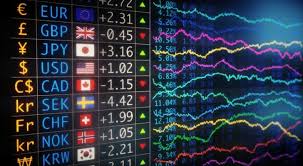
Fundamental Analysis
On the other hand, fundamental analysis examines economic conditions that influence currency values. Key aspects to consider include:
- Interest Rates: Central bank interest rate changes can have a significant impact on currency value.
- Economic Indicators: Data such as inflation rates and employment statistics provide insight into a country’s economic health.
- Political Stability: The political climate can affect investor confidence and currency stability.
Keeping a Trading Journal
Maintaining a trading journal is a valuable practice that allows you to track your trades, analyze your strategies, and learn from your mistakes. Key elements to record include:
- Date and time of the trade
- Currency pairs traded
- Entry and exit points
- Reasons for the trade and outcome
- Emotional state during the trade
By reviewing your trading journal regularly, you can identify patterns in your trading behavior, refine your strategies, and ultimately improve your performance over time.
Continuous Learning and Improvement
The forex market continually evolves, influenced by changes in the global economy, technology, and trading strategies. To remain competitive, it is essential to invest in your education. Consider the following ways to enhance your knowledge:
- Read Books and Articles: Numerous books and online articles cover various aspects of forex trading and market analysis.
- Take Online Courses: Many platforms offer courses tailored to different skill levels, covering everything from basics to advanced strategies.
- Attend Webinars and Seminars: Participate in live sessions to learn from experienced traders and market analysts.
By committing to continuous education, you can keep up with market trends and fluctuations, giving you a competitive edge.
Conclusion
Forex trading is a challenging yet rewarding journey that requires dedication, knowledge, and discipline. By implementing the best practices outlined in this article, you can improve your trading strategies, minimize risks, and increase your chances of success. Always remember that trading involves risks, and it’s essential to trade wisely and responsibly. Begin your journey by practicing with a demo account, developing a solid trading plan, and staying informed about market trends. With persistence and continuous learning, you can pave your way to becoming a proficient forex trader.